
Zero Liquid Discharge (ZLD)
Complete Wastewater Recovery Solutions
Industries today face strict environmental regulations and increasing water scarcity. A Zero Liquid Discharge (ZLD) system ensures that no liquid waste leaves your facility by recovering and reusing almost all wastewater.
Our ZLD systems are engineered for maximum water recovery, reduced environmental impact, and complete regulatory compliance, making them ideal for industries aiming for sustainable operations.
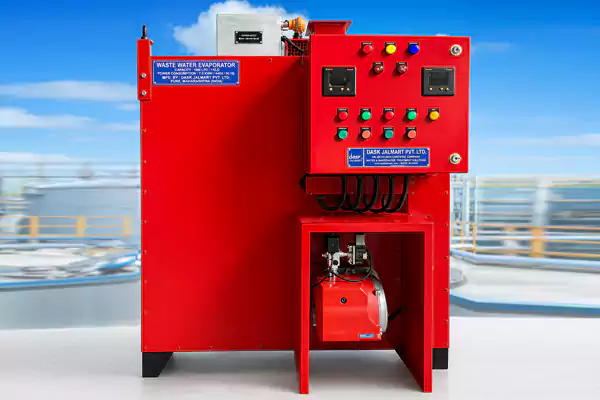
What is Zero Liquid Discharge (ZLD)?
Zero Liquid Discharge (ZLD) is an advanced wastewater treatment process designed to eliminate liquid waste discharge.
How Does Zero Liquid Discharge (ZLD) Work?
- Pre-Treatment: Removes suspended solids and contaminants.
- Primary Treatment: ETP/STP processes reduce pollutant load.
- Membrane Filtration: RO systems recover clean water.
- Evaporation: Concentrates remaining wastewater.
- Crystallization: Converts dissolved solids into solid waste.
- Water Recovery: Treated water is reused within the plant.
Key Features & Benefits
- Achieves near 100% water recovery
- Eliminates liquid discharge
- Reduces environmental impact
- Ensures compliance with strict regulations
- Reduces freshwater consumption
- Modular and scalable design
- Long-term cost savings
Applications
- Textile industries
- Chemical industries
- Pharmaceutical industries
- Power plants
- Oil & gas industries
- Food processing industries
Why Choose Us
- Experienced ZLD system manufacturer in India
- Customized design based on wastewater characteristics
- Advanced technology integration (RO + Evaporator + Crystallizer)
- High-quality components and fabrication
- Reliable and efficient performance
- Strong after-sales support
Process
- Wastewater analysis
- System design
- Manufacturing
- Installation
- Commissioning
- Maintenance & support
Compliance
Designed as per CPCB guidelines, SPCB norms, and industrial environmental standards.
Frequently Asked Questions
It is a system that eliminates liquid waste discharge by recycling water.
Textile, chemical, pharma, and power industries.
Depends on plant capacity and complexity.
Up to 95–99% depending on design.
In many industries, yes, as per environmental regulations.